Generation Z is in the workforce now. They grew up with a phone in hand, saw their parents through the financial crisis, and expect answers in minutes. That brings energy into a company, and it brings friction.
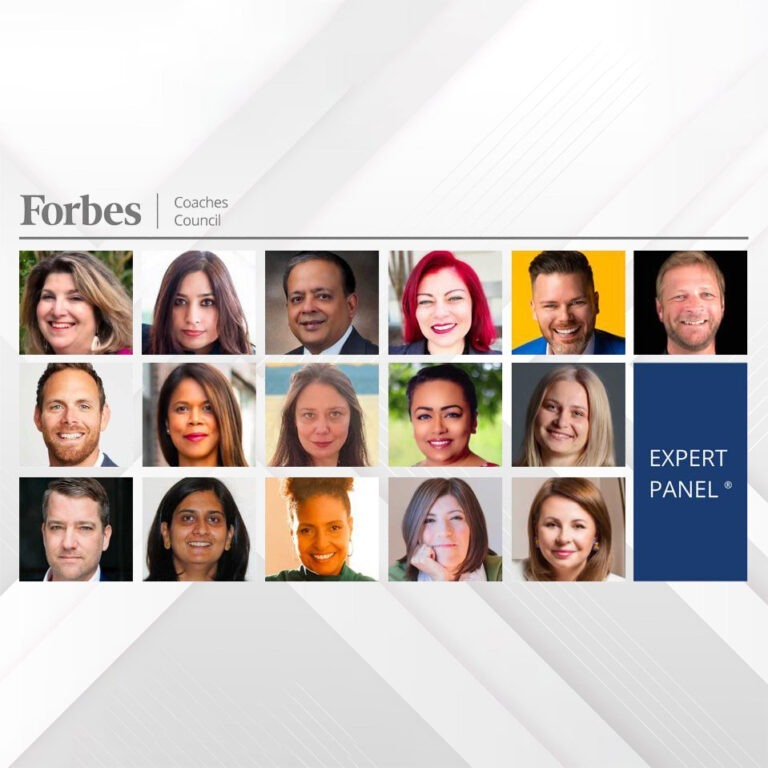
In 2020, Forbes asked 14 members of its Coaches Council how leaders should prepare. I was one of them. Six years later, with a few Gen Z team leads among my clients, here are the 14 ideas as I read them now.
Generations are easy to categorise and easy to get wrong. Judge people by their work, their effort and their energy instead of by a label. One millennial in the panel put it well: Free beer and unlimited leave don't move her, money does. Asking beats assuming.
Origin: Maresa Friedman, Executive Cat Herder
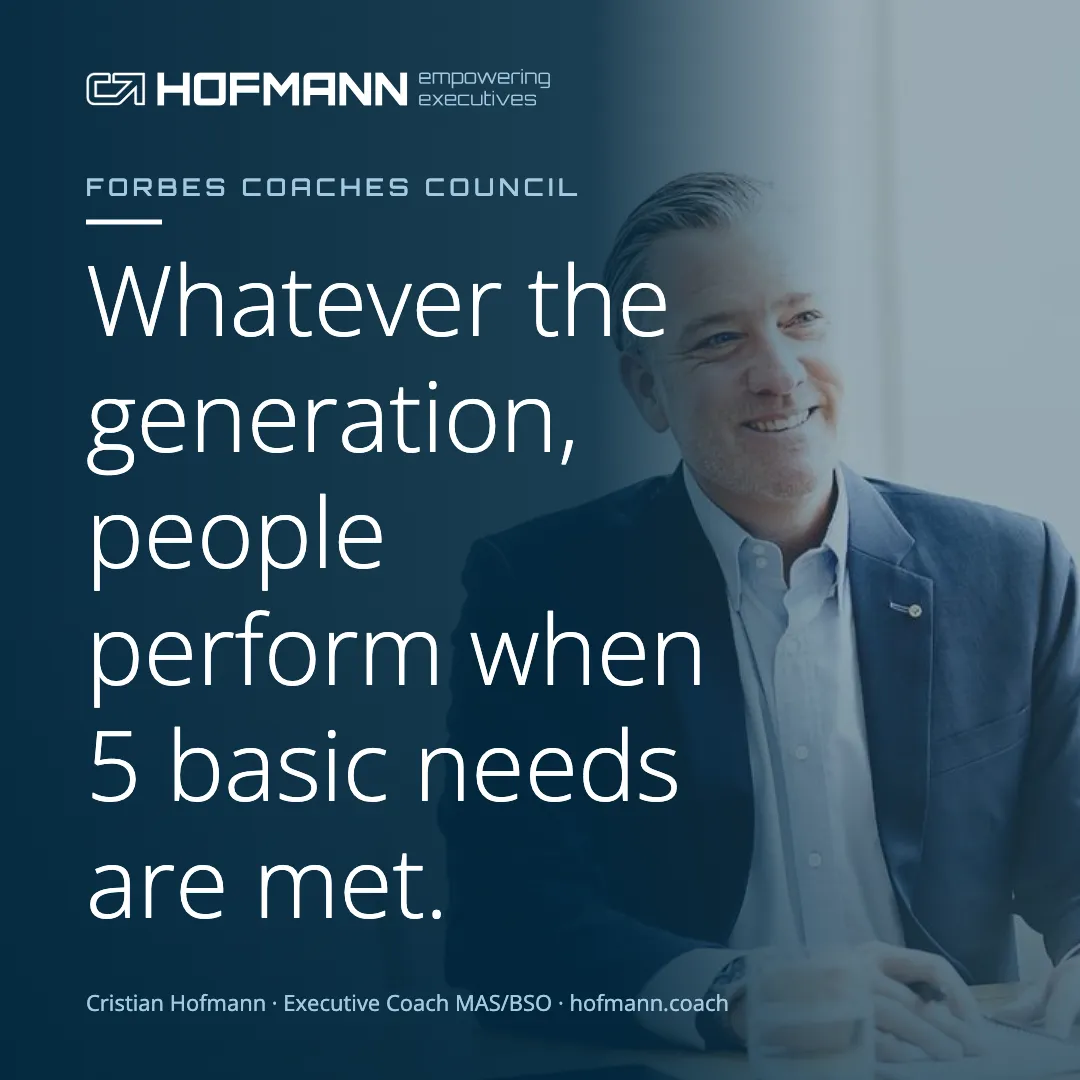
This one is mine, and I'd write it the same way today. Whatever the generation, people perform when 5 basic needs are met: Self-esteem through contribution, control, orientation, attachment and pleasure. Look at those 5 and you can read engagement, performance and what to change in the workplace. The generation label adds little.
Origin: Cristian Hofmann, Empowering Executives, SUPERGROUP AG
Gen Z is hyper-connected and sets new standards for communication outside office hours. Their "whatever it takes" attitude makes them willing to work long hours for something they believe in. Leaders who find out what that something is will keep them. The others will read about them as founders.
Origin: Shadé Zahrai, Influenceo Global
Gen Z pushes organisations toward flexible hours and toward the individual needs of each employee. Leaders have to get comfortable with people working from home, invest in learning and professional development, and give feedback in a steady stream. Agile leadership stops being a buzzword and becomes the job description.
Origin: David Liddell, Liddell Consulting Group
Gen Z arrives with less experience than earlier generations and thrives in an intrapreneurial setting. Anxiety levels are higher, so they need environments that build resilience and grit. With their social connectedness, edgy products motivate more than exclusive experiences. Creative and situational leadership is the answer.
Origin: Dorothy Enriquez, The Communication Strategist
The real competitive advantage lies in cross-pollination between generations. Gen Z has the processing power, the older generations have the experience and the judgement that only years deliver. Put them together on purpose and the institutional knowledge of the company grows.
Origin: Kevin Leonard, Emerald Bay Performance
Born after the mid-1990s. A phone was always there. YouTube is the first source. School included lockdown drills. They watched their parents struggle through 2008. They think globally and value diversity. If that were your world, what would you need from a boss? Authenticity, openness, fulfilment, and a company that makes money.
Origin: Lynda Reid, Kusala
Younger workers want their work to count. They want to contribute to something beyond the paycheck. A good manager uses that: If they believe in the vision, they take on responsibility well beyond the job description. If they don't, they do exactly the job description and then leave.
Origin: G. Riley Mills, Pinnacle Performance Company
Gen Z reminds the rest of us of quality over quantity, inclusion over exclusion, smart work over hard work. Leaders who take that perspective seriously get a more efficient company and a generation that sees itself as a partner rather than a trainee.
Origin: Gwen Dittmar, Gwen Dittmar Consulting
This generation is smart, diligent, forward-thinking and tech-savvy. They bring nuanced ideas that will move business over the next decade. The leader's job is simple and rarely done: Ask a lot of questions and listen to the answers. Agile leadership starts with listening.
Origin: Jon Dwoskin, The Jon Dwoskin Experience
Gen Z will force organisations to open up. They choose culture and purpose over everything else, and they push companies to recruit on results rather than degrees. In the long run that flattens hierarchies. Leaders can fight that or get ahead of it.
Origin: Sudhakar Reddy Gade, Nirvedha Executive Coaching Solutions
Gen Z is impatient, and that impatience drives creativity and measurable results when it's given direction. Much has been written about their passion for purpose. Just as true: They want things done, and they want impact, for themselves and for the world. They're about movement. Give them something to move.
Origin: Joanne Heyman, Heyman Partners
Too much is made of the differences between generations and too little of what's identical. All generations want safety and trust. They want to go home feeling they made a difference and had positive interactions. They want to keep growing. Build the organisation for that, at every age.
Origin: Joel M. Rothaizer, Clear Impact Consulting Group
Gen Z lives in rapid information flow. They share fast and widely. Some call it oversharing, that's a matter of perspective. In the workplace it means information travels through many channels at once. Honesty, openness and timely communication from leaders become more important, because the back channels will exist anyway.
Origin: Faith Fuqua-Purvis, Synergetic Solutions
Nine of the 14 ideas say the same thing in different words: Treat Gen Z as individuals with the same basic needs as everyone else, and adjust the tempo. The tempo is the real change. Feedback weekly instead of yearly, decisions in days instead of quarters.
Whether Gen Z is really that different, I'm not sure. Point 13 might be the most honest one in the panel. What I do see in coaching: Leaders who practise agile leadership with Gen Z suddenly get better reviews from the 50-year-olds too.
Further reading on hofmann.coach: 14 incentives to motivate employees in large companies · 16 ways to lead a virtual team · Leadership Coaching
Note: The 14 ideas come from the Forbes Coaches Council expert panel "14 Ways Leaders Can Prepare For Generation Z's Entry Into The Job Market", published 6 February 2020. Contribution no. 2 is my own. My reading of the other thirteen is mine, and it isn't a quote of my colleagues' wording.